Articles de tony-meteorites-86
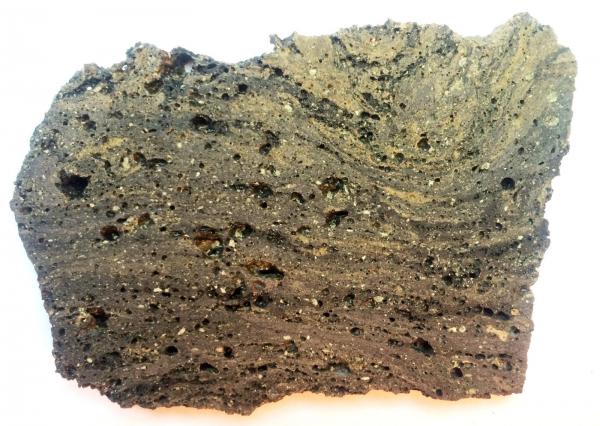
Zhamanshin

Rochechouart
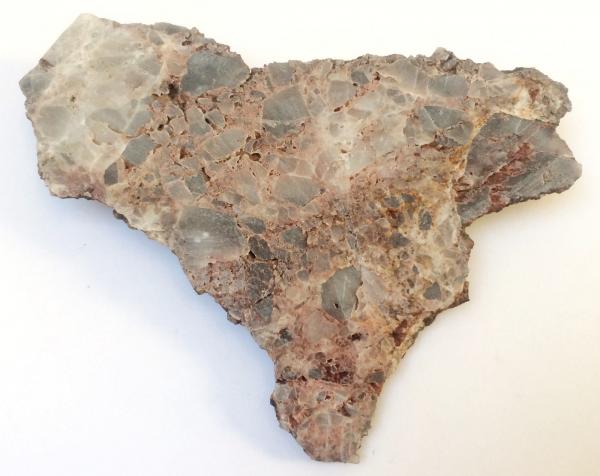
Un évènement extraordinaire de l’histoire de la planète s’est produit sur la région de Rochechouart, Chassenon il y a de cela … 200 millions d’années.Une météorite géante d’un kilomètre et demi de diamètre y a fini son voyage à 72 000 km/h…Imaginez le choc, l’explosion gigantesque libérant une énergie équivalente à 14 millions de fois une bombe atomique. Toute Vie est détruite dans un rayon de 200 kilomètres, le sous-sol est profondément bouleversé par le choc et la fusion. La zone d’impact s’étend sur un diamètre de 20 kilomètres où sont installés aujourd’hui les villes et les villages autour de Rochechouart et de Chassenon…De la force de cette explosion, la météorite n’a pas survécu, mais sa fusion avec les roches terrestres a donné naissance à des pierres uniques et rares, les brèches d’impact ou impactites. Leurs teintes variées selon les degrés de fusion, du jaune au vert, au rouge donnent une identité originale au patrimoine bâti local.Depuis toujours l’homme a utilisé ces pierres uniques nées de la rencontre du ciel et de la Terre pour construire son habitat. Des gallo-romains dont les thermes de Chassenon sont dans un remarquable état de conservation, à l’église au clocher tors et au Château de Rochechouart, jusqu’aux maisons du XXème siècle.Aujourd’hui seules les roches gardent la mémoire de cette histoire unique en France, les paysages présentent d’agréables vallonnements verdoyants où il fait bon vivre. Bienvenue à la réserve naturelle nationale de l’astroblème de Rochechouart-Chassenon. (source http://www.reserves-naturelles.org/)
Ries
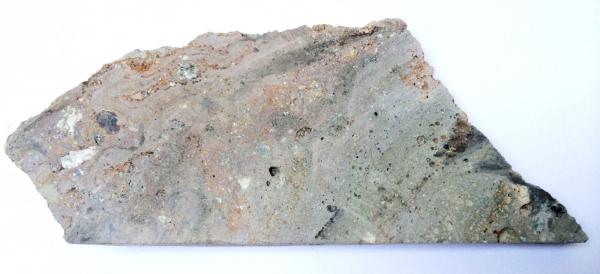
Il y a 15 million d'années, à 10 km à l'est de l'actuel Goldbergs une grosse météorite tomba et creusa un cratère de 25 km de diamètre et 500m de profondeur.
Par l'énorme force du choc, de grosses pierres ont été projetées et les bords du cratères se sont élevés.(source Rocher michel)
Gardnos
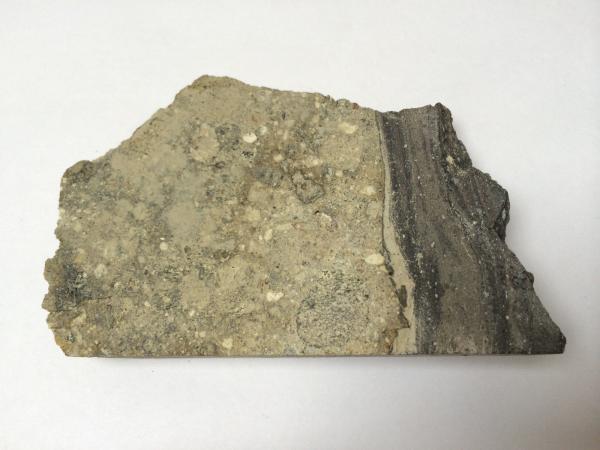
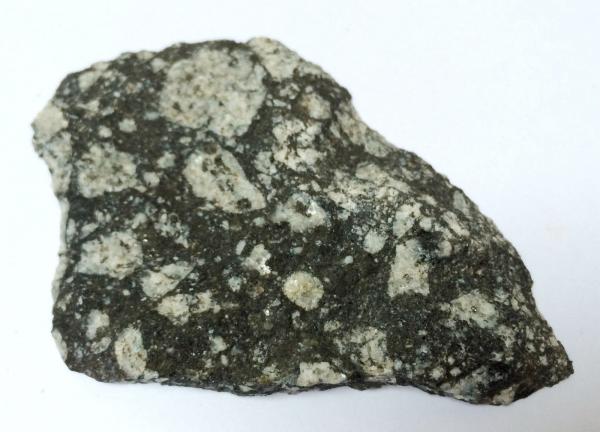
C'est le seul cratère d'impact qui existe sur le territoire de la Norvège, il a une forme qui rapelle un peu celle d'un fer à cheval fermé et il est très érodé. Ce petit cratère norvégien est situé dans la région de Hallingdal dans le pays de l’ancien Roi Hadding. La ville de Nes est située dans la partie centrale dans le Sud de la Norvège, dans une région couvrant 871 km² dont environ 70 % correspondent à une région montagneuse, la population est de 3400 habitants environ. Le petit cratère est âgé de 650 millions d'années et a un diamètre de 5 kilomètres. La roche d'impact qui peut y être trouvée est appelée Brèche du Garnas, elle est noire avec des inclusions blanches, elle est la plus connue. On peut aussi y trouver des roches de type blanches extérieurement, grisâtre à l'intérieur avec des inclusions, de type suévite, celles-ci font parties des raretés minéralogiques et elles ne sont que très rarement décrites. (source Géoforum)
La météorite Imilac
Trouvée en 1822 au Chili, d'un poids de 920kg, classée comme pallasite PMG.
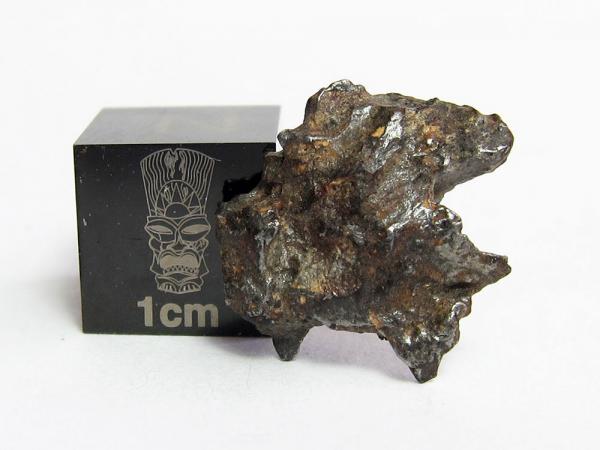
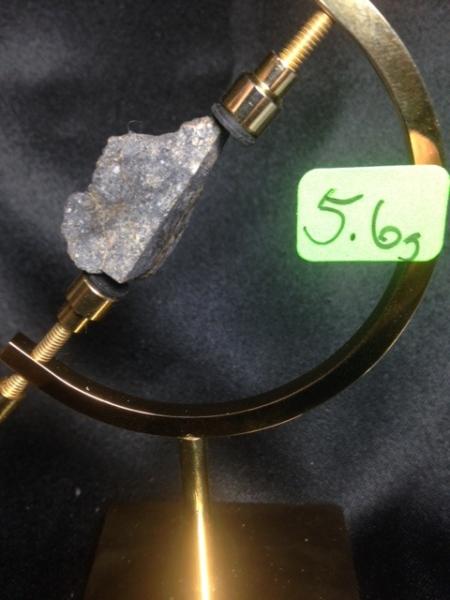
La météorite NWA 8655, Rare Meteorite Available for the First Time by Steve Arnold
Trouvée en 2014, une des deux météorites reconnues de ce type au Meteoritical Bulletin, LL5-melt breccia
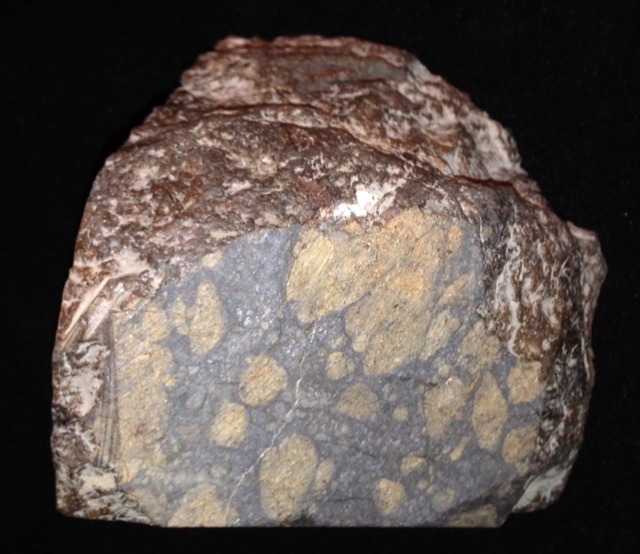
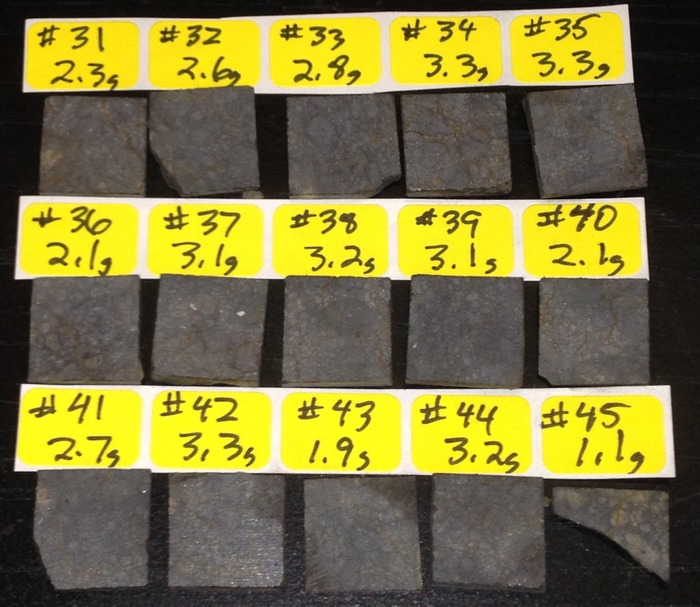
Mon acquisition, n°38
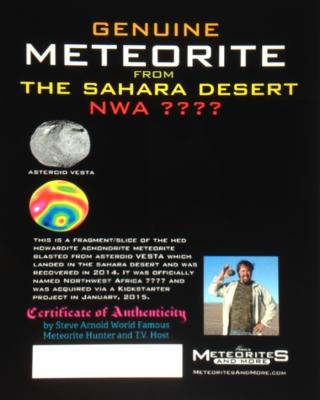
Vesta Meteorite Acquisition by Steve Arnold
Steve Arnold, host of "Meteorite Men" TV series on Science Channel here with my 3rd Kickstarter project! This time I am raising funds to acquire 33 meteorite specimens from the same fall of a meteor originating from the Asteroid Vesta.
Rewards include slices, 1/2 stones and complete stones from $25 and up. All rewards will come with a Color ID Card and signed COA. All except the largest reward will come in a Shadow box for display of the card and specimen.
Vesta is the 2nd largest asteroid in our solar system (326 miles in diameter - roughly the size of the state of Colorado) and due to a double asteroid impact in the south pole of the body, material was excavated deep from within. The meteorite specimens from this body can vary dramatically in composition and appearance. This one looks really cool!
Meteorites from Vesta are called "H.E.D. Meteorites" which stands for:
H. = Howardites
E. = Eucrites
D. = Diogenites
Diogenites come from deep within Vesta, and Eucrites come from the surface. Howardites are mixtures (Scientifically called "regolith breccias) consisting of at leas 10% Diogenite material mixed in with the Eucrite materials.
These specimens are definitely a regolith breccia, one that looks VERY similar to Lunar meteorites. This is so much the case, that my supplier in Morocco thought it was a meteorite from our Moon and he sent it to a lab here in the U.S. to get it tested. The testing proved it was not from the Moon, but rather Vesta.
While most all meteorites from Vesta have some scientific
Meteorite specimens are in hand, so they will ship by the end of January.
Official naming of the specimen could take up to a couple months, at which time a replacement permanent ID card (with the officially assigned name on it) will be sent to the Backers.
Below is the temporary ID card (which of course will be signed individually by me) and below that are the photos for the various rewards:
La météorite Santa Catharina
Trouvée au Brésil en 1875, classée Iron, IAB-ung.
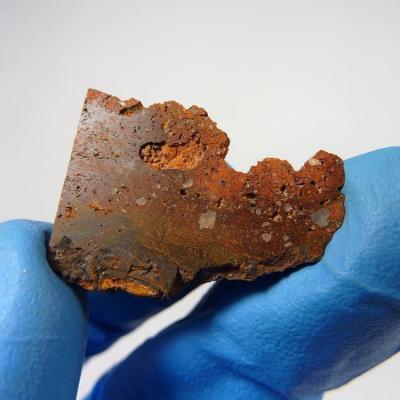 Crédit photo : Tony Capillon

La météorite NWA 3154
Trouvée en 2005, chondrite classée H4.
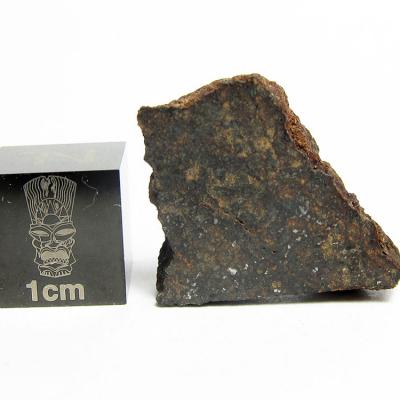
Crédit photo : Fujmon
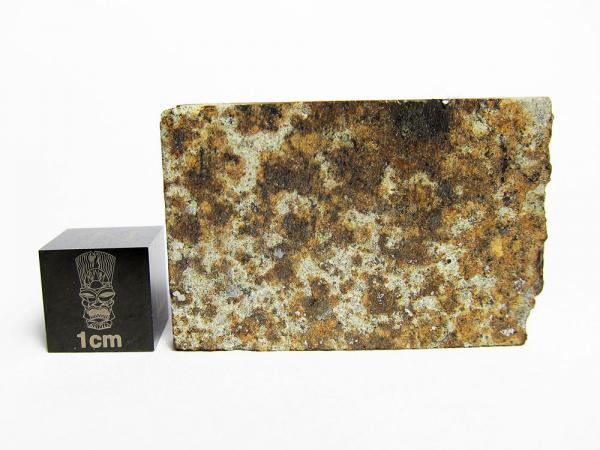
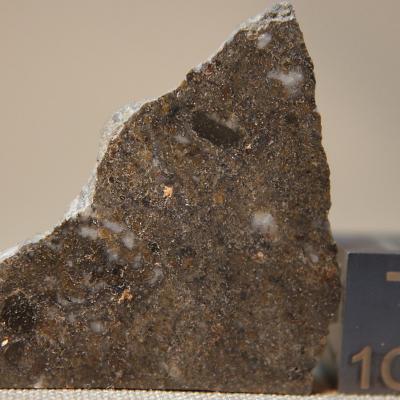
La météorite NWA 6448
Trouvée en 2010, classée achondrite primitive, winonaïte.
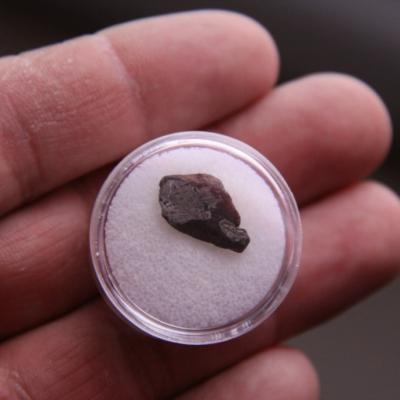
La météorite Seymchan
Trouvée en 1967 en Russie, classée comme pallasite.
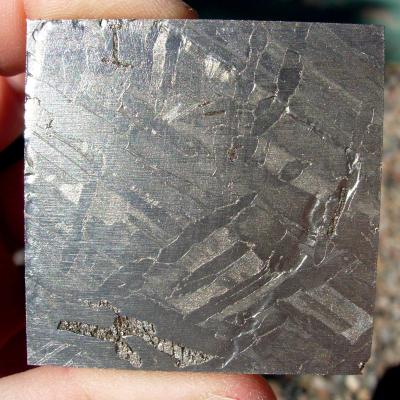
Crédit photo : Azmeteorites
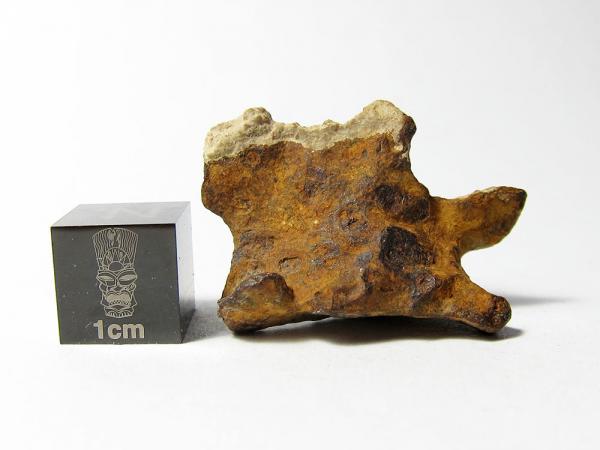
Crédit photo : Fujmon
La météorite NWA 7123
Trouvée en 2011, chondrite classée H3.
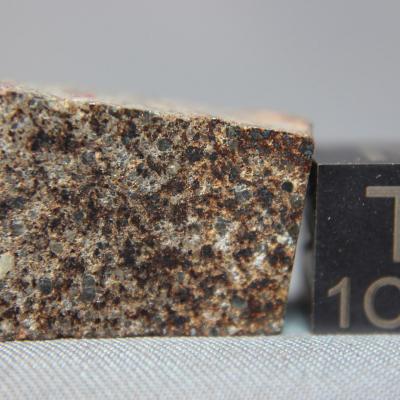 Crédit photo : Tony Capillon